

Explore this location
Worlds and Locations

Akkad
Akkad is a mid-wave colony built on scarcity economics: water rights, maintenance contracts, and lien law are local folklore. It’s a practical stop for repairs and resupply—cheap work, blunt courts, and plenty of “secondhand” parts with unclear provenance. The long day drives odd labor rhythms, with extended shifts and a night-side economy dominated by security work and enforcement.

Aralx
Aralx is a nearly uninhabitable ocean world battered by violent winds and persistent storms. Its small colony survives in temporary, hardened structures around the only reliable freight landing zone.

Chandrapura
Chandrapura is one of the earlier colonized worlds, shaped by old institutions and a “do it right or don’t do it” engineering culture. Harsh surface conditions pushed development into sealed habitats and industrial corridors where people live close to their machines. Chandrapura is known for rugged components and heavy fabrication, with a workforce used to high gravity, strict safety culture, and hard consequences.

Chryseon
Chryseon is a mature, high-population world with deep civic structure—courts, regulators, and corporate headquarters layered together until they’re hard to separate. It’s “civilized” in the sense that everything runs smoothly until you read the fine print, and it’s a common venue for arbitration because stability makes it useful. Chryseon’s public face is prosperous and orderly; its real power lives in procedure and precedent.

Corinth
Corinth is old, fertile, and politically restless, with a secessionist movement that’s less fringe than outsiders like to admit. Local councils handle real problems while distant corporate authorities argue about jurisdiction, which breeds resentment that never quite burns out. Ports are tightly watched because no one wants Corinth to become a precedent that spreads.
Corvalis
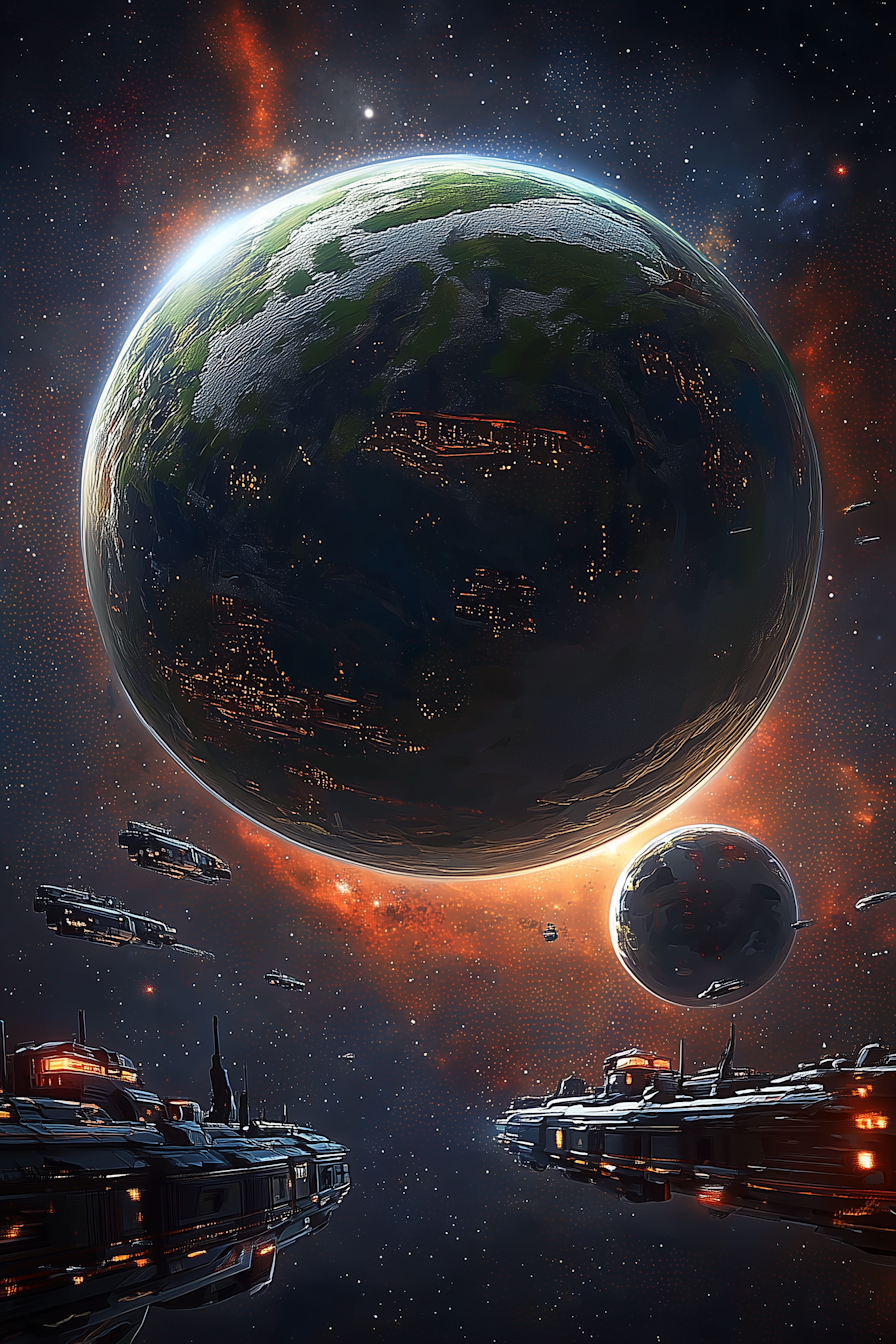
Corvalis is one of the oldest and most heavily urbanized worlds in the network, valued for its legal, financial, and transport infrastructure. Constant rain, hydrocarbon fog, and sharp class divisions define life beneath Cheng Station.

Daegu
Daegu has no meaningful surface habitation; its population lives in orbital habitats and floating platforms engineered to survive violent weather bands and crushing pressures. It’s industrial, regulated, and maintenance-obsessed, the kind of place where failure is swift and public. Dense traffic makes it easy to hide a ship—if you can pay—and hard to run once someone decides to look.

Delos
Delos is a developed world where politics are performative and the machinery of governance looks intact from a distance. In practice, the planetary government is a puppet that effectively answers to El Atajo kingpin Nikolai Drahn, who runs his empire from Evergreen Station, an orbital fortress that serves as headquarters, court, and deterrent all at once. Most of Delos’s “stability” is really the stability of Drahn’s interests: shipping moves when he wants it to, and enforcement appears where it’s useful. The result is a system where legality is negotiable, but consequences are not.

Kagutsuchi
Kagutsuchi is a low-gravity extraction world built around bulk resource flows, company towns, and a workforce on short contracts. Ships get “stuck” here in audits and compliance holds—paperwork as gravity—often long enough to change who owns them on paper. The planet has a steady market for enforcement, security, and anything that keeps production uninterrupted.
Koschei
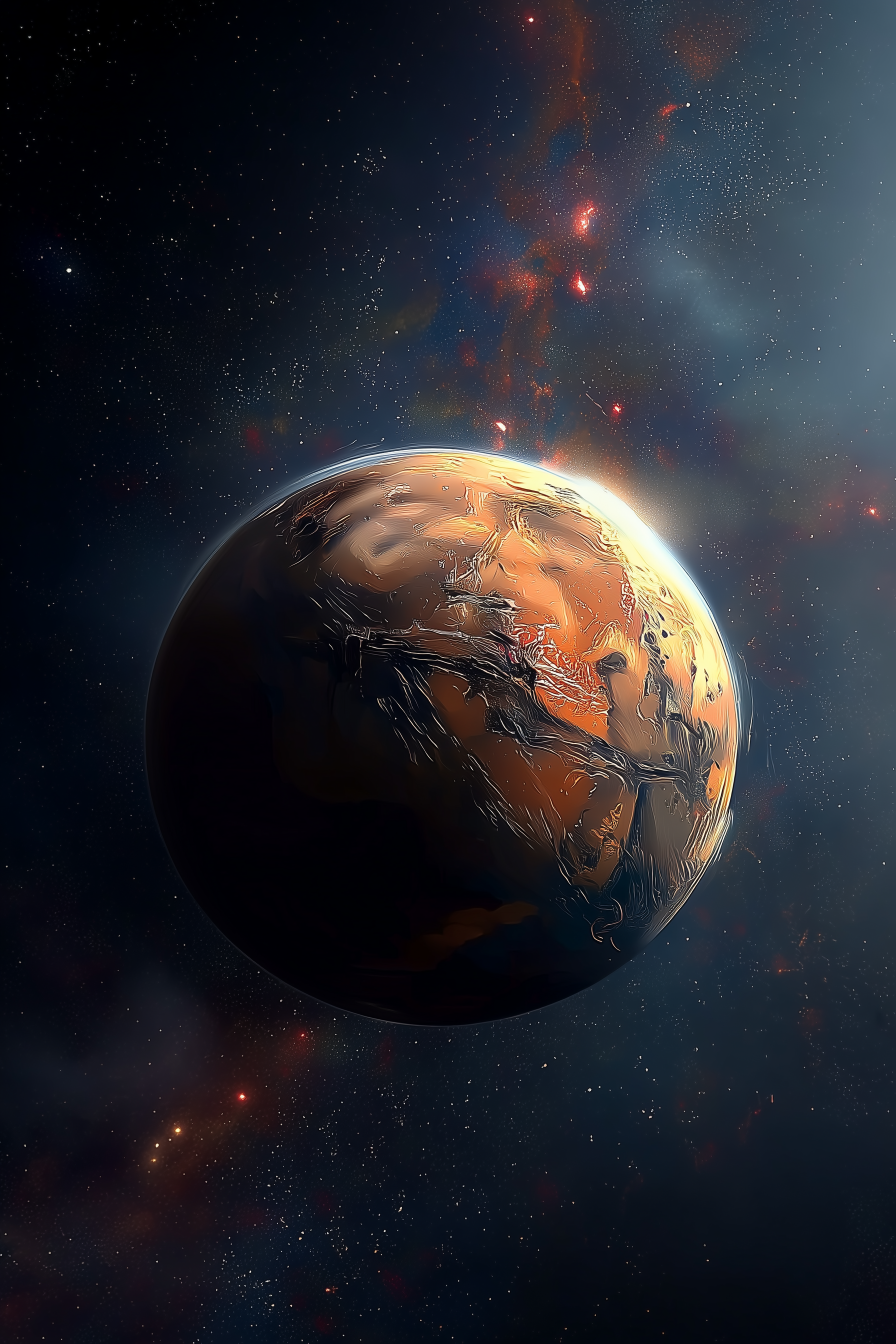
Koschei is a cold, economically irrelevant world with brown-gray silt plains, thin toxic air, and a long-abandoned Osharran Helium-3 mining colony that still draws occasional salvage interest.

Lanzhou
Lanzhou is an early human colony that became a major commercial hub after slipstream travel. Its low-gravity vertical cities are known for deep archives, institutional wealth, and a culture of privacy and discretion. Lanzhou City includes government records offices, elevated tramways, private spaceports, and wealthy historic districts shaped by old family estates.

Lucerne
Lucerne is a practical cold-world stop on the Corvalis–Koschei line, useful for refuel and transfer and not much else. Its ports serve crews who don’t want questions, but local rules are strict because small systems can’t afford chaos. There’s a steady market for salvaged equipment and reclaimed hardware, especially anything that drifts in from colder, quieter places.

Morwenna
Morwenna is lush, wealthy, and tightly managed, with high value concentrated in biotech and specialty organics. It looks idyllic from orbit and photographs well at ground level, but the layers beneath the postcard are built on regulation, labor discipline, and quiet enforcement. Morwenna’s influence travels through contracts and supply chains rather than fleets.

Nagato
Nagato is low gravity with a short day and a fast culture, where contracts move quickly and so do people trying to outrun them. It’s a common waypoint system because its connections spider outward in multiple directions, making it useful for legitimate commerce and just as useful for disappearance. The local economy favors speed, logistics, and plausible deniability.

Odessa
Odessa is an industrial world with long-day rhythms and heavy port culture, the kind of place that smells like solvent and salt and never stops loading cargo. It manufactures reliable components and supports ship maintenance at scale, which makes it essential even if it’s not glamorous. Odessa is also where cargo gets relabeled and histories get softened, because crossroads planets are where paperwork learns to lie.

Orvale
Orvale is high gravity and sparsely populated, which means every settlement is engineered like a fortress against the planet itself. People who live here do it for a reason—claims, research permits, isolation, or a lack of better options—and they don’t romanticize it. Orvale-built equipment has a reputation for durability, and Orvale society has a reputation for minding its own business.

Phaethon
Phaethon is small-population and water-heavy, shaped by ocean routes, coastal arcologies, and weather seasons that dictate commerce. It’s a place crews go for quiet refits and low visibility, but supply disruptions hit hard, so port law is strict about berthing and cargo. The culture is informal in daily life and unforgiving in anything that threatens the flow of imports.

Thule
Thule is a cold, mountainous mining world with a small, isolated settlement and deep security culture. Its strategic position and difficult terrain make it useful for hidden facilities and tightly controlled operations.

Zuzax
Zuzax is a late-wave dust world with a small population, big salvage yards, and a culture built on improvisation. It’s a common last stop for crews short on credits or trying not to be found, because anonymity is easier when nobody expects much. Local authorities enforce what they can and ignore what they can’t, which is another way of saying the planet runs on practicality.